Popular Wedding Dress Fabrics and Their Features
by Admin
October 24, 2026
2 Min Read
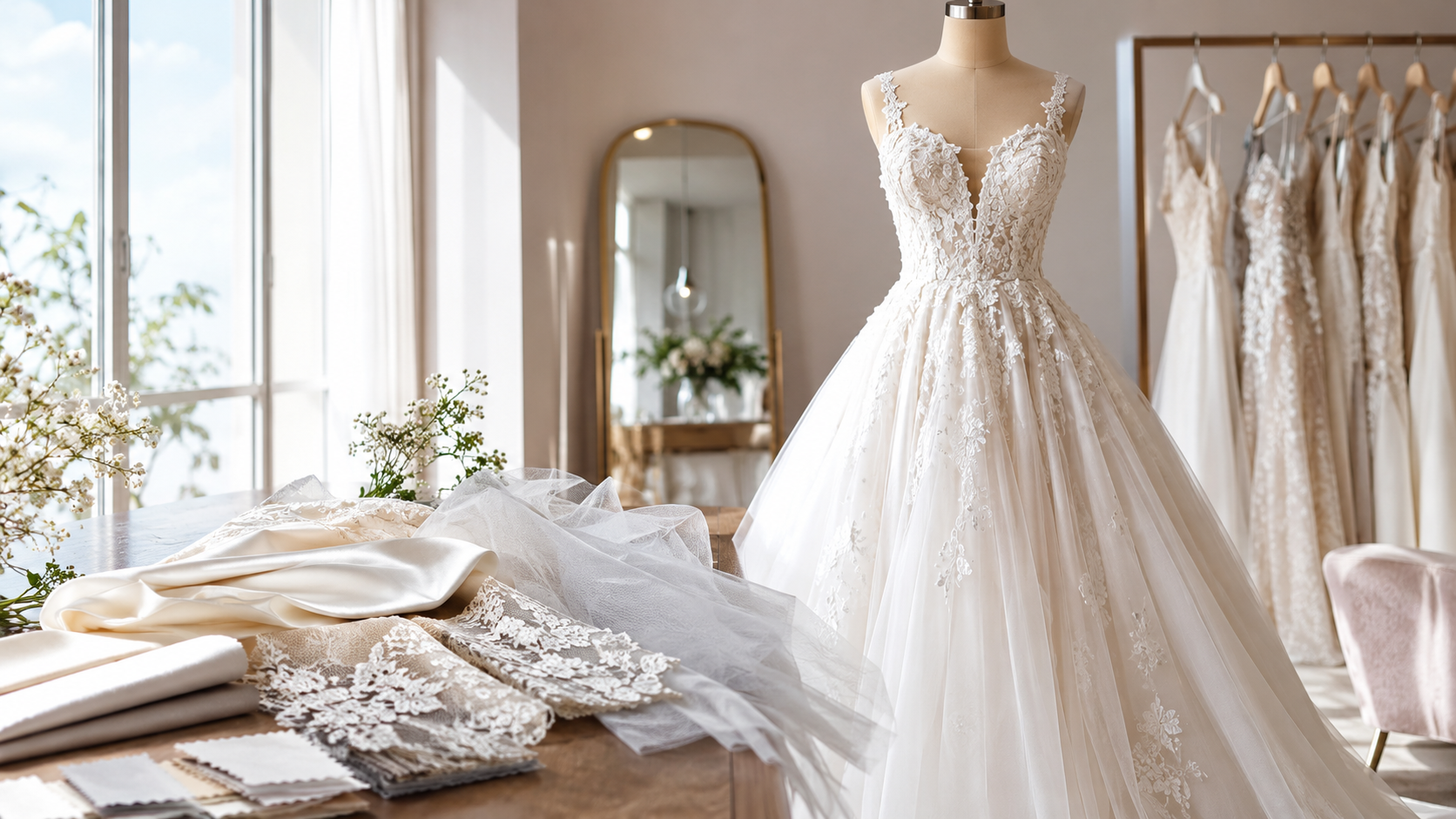
Choosing the right wedding dress involves more than finding a beautiful design. The fabric plays a major role in the gown’s appearance, comfort, movement and overall finish. Some materials create a luxurious, structured silhouette, while others offer a soft, romantic look with delicate layers.
Understanding the most popular wedding dress fabrics can help you compare different styles and choose a dress that suits your preferences. In this guide, we explore the features, benefits and practical considerations of the materials commonly used in wedding dresses.
Why Does Wedding Dress Fabric Matter?
The fabric determines how a wedding dress drapes, feels and holds its shape. It can also influence how comfortable the gown feels throughout the wedding day.
When comparing wedding dress materials, consider these important factors:
- Appearance: Different fabrics create different levels of shine, texture and volume.
- Comfort: The material, lining and fit affect how comfortable the dress feels.
- Structure: Some fabrics hold their shape, while others flow naturally with movement.
- Durability: Delicate materials may require more careful handling and maintenance.
- Budget: Fabric composition, quality and embellishments can influence the overall price.
Choosing the right material helps you find a wedding dress that balances appearance, comfort and practicality.
1. Satin: Smooth and Elegant
Satin is one of the most popular materials for elegant wedding dresses. Its smooth surface and subtle sheen create a polished appearance that works particularly well with minimalist and traditional designs.
Key Features of Satin
- Smooth texture with a glossy or subtle sheen.
- Suitable for structured bodices and fitted silhouettes.
- Creates a sophisticated, luxurious appearance.
- Available in different weights and fabric compositions.
Satin is an excellent choice for brides who prefer clean lines and a refined finish. However, heavier satin can feel warm, and its smooth surface may show creases or marks depending on the fabric and colour.
2. Lace: Romantic and Decorative
Lace is widely used in wedding dresses because of its intricate patterns and timeless appeal. It can cover an entire gown or provide decorative details on sleeves, necklines, bodices and skirts.
Key Features of Lace
- Delicate patterns that add visual interest.
- Suitable for romantic, vintage-inspired and classic designs.
- Can be layered over other fabrics.
- Available in a variety of patterns, textures and levels of transparency.
Lace works particularly well for brides who want a detailed and feminine look. Since some lace fabrics are delicate, careful storage, cleaning and alterations are important to protect the material.
3. Chiffon: Light and Flowing
Chiffon is a lightweight fabric known for its soft drape and airy appearance. It is often used in flowing wedding gowns, layered skirts and designs that prioritise movement.
Key Features of Chiffon
- Lightweight and soft.
- Creates a graceful, flowing silhouette.
- Suitable for layered designs.
- Often provides a less structured appearance than satin.
Chiffon is a good option for brides who prefer a relaxed, elegant style. As the material can be sheer, suitable lining or additional layers may be needed to provide coverage.
4. Tulle: Soft Volume and Texture
Tulle is a fine net fabric commonly used to add fullness and dimension to wedding dresses. It is particularly popular in ball gowns, princess-style dresses and layered skirts.
Key Features of Tulle
- Adds volume without necessarily creating excessive weight.
- Creates an airy, delicate appearance.
- Can be layered to achieve different levels of fullness.
- Works well with lace and other decorative details.
Tulle is ideal for brides who want a dramatic skirt or a fairytale-inspired wedding dress. However, the fabric can snag or tear if it catches on jewellery, sharp objects or rough surfaces.
5. Organza: Structured Yet Delicate
Organza is a lightweight, crisp fabric that helps a wedding dress maintain its shape. Although it has a delicate appearance, its structure makes it suitable for voluminous skirts and decorative overlays.
Key Features of Organza
- Lightweight with a crisp finish.
- Holds its shape well.
- Adds volume and definition.
- Often used in layered skirts and statement designs.
Organza suits brides who want a dress with structure without relying entirely on heavier materials. Its crisp texture may feel less soft than chiffon, so the lining and overall construction are worth considering.
6. Crepe: Modern and Minimalist
Crepe is known for its elegant drape and subtly textured surface. It is a popular choice for contemporary wedding dresses, especially designs with clean lines and understated detailing.
Key Features of Crepe
- Smooth, refined appearance with a subtle texture.
- Creates a sleek silhouette.
- Suitable for fitted and minimalist gowns.
- Drapes naturally around the body.
Crepe can be an excellent option for brides who prefer understated elegance. Depending on its weight and composition, it may show creases or garment lines, making the fit and construction particularly important.
7. Silk: Luxurious and Natural
Silk is a natural fibre valued for its softness, drape and luxurious feel. Different silk fabrics can create anything from a fluid, understated gown to a more structured wedding dress.
Key Features of Silk
- Soft feel and natural lustre.
- Elegant drape and movement.
- Available in different weaves and weights.
- Often associated with premium bridal designs.
Silk can be a beautiful choice for brides seeking a natural, luxurious material. However, it may require specialist cleaning and careful handling, and its price can be higher than that of some synthetic alternatives.
Wedding Dress Fabrics Compared
The following table summarises the main differences between these popular wedding dress materials.
| Fabric | Appearance | Main Benefit | Consideration |
|---|---|---|---|
| Satin | Smooth and polished | Elegant structure | Can feel heavy |
| Lace | Intricate and romantic | Decorative detail | May need delicate care |
| Chiffon | Soft and flowing | Lightweight movement | Often needs lining |
| Tulle | Airy and voluminous | Adds fullness | Can snag or tear |
| Organza | Crisp and structured | Holds its shape | Can feel firm |
| Crepe | Sleek and understated | Modern drape | Fit is important |
| Silk | Soft and luxurious | Natural feel | May require specialist care |
How to Choose the Best Wedding Dress Fabric
The best wedding dress material depends on your preferred style, comfort requirements and budget. Before making a decision, consider the following points.
Match the Fabric to Your Preferred Style
If you love structured and elegant designs, satin may be a suitable option. For a romantic appearance, consider lace or tulle. Chiffon works well for flowing silhouettes, while crepe is often ideal for modern, minimalist gowns.
Consider Comfort and Movement
A wedding dress should allow you to walk, sit and dance comfortably. Consider the weight of the fabric, the lining and how the gown fits your body. Whenever possible, try on different styles to understand how each material feels.
Think About the Wedding Season
Lightweight fabrics such as chiffon may feel more comfortable in warmer conditions. Heavier satin or a gown with additional lining may be more suitable for cooler weather. The overall design and number of layers also influence comfort.
Review Quality and Construction
The fabric alone does not determine a dress’s quality. Stitching, seams, lining, finishing and embellishments all contribute to the final result. Examine these details when comparing wedding dresses.
Wedding Dress Alterations and Fabric Care
Even a well-made wedding dress may require alterations to achieve the right fit. Common adjustments include shortening the hem, taking in the waist, modifying the bodice and repairing loose seams.
The material affects how these alterations should be carried out. Lace, tulle, silk and heavily layered fabrics may require more careful handling than simpler materials.
If your wedding dress or another garment needs repair or alteration, MK West Tailor provides services for different types of clothing in Milton Keynes. Visit the website to explore its services and enquire about your specific garment.
For the best results, arrange any necessary alterations well in advance, especially when the dress features delicate fabric, intricate embroidery or multiple layers.
Find Your Wedding Dress at Tip Top Prom Dress
Understanding popular wedding dress fabrics makes it easier to compare styles and identify the features that matter most to you. Whether you prefer the smooth finish of satin, the romantic detail of lace, the flowing movement of chiffon or the luxurious feel of silk, the right material can help bring your preferred bridal look to life.
Ready to find a dress that suits your style? Visit the Tip Top Prom Dress store to browse the available collection and explore your options.
When choosing your dress, review the fabric description, fit, lining and construction to ensure the design meets your expectations. Taking time to compare these details can help you make a confident and informed purchase.